Baking Tools and AccessoriesSame item · 99%
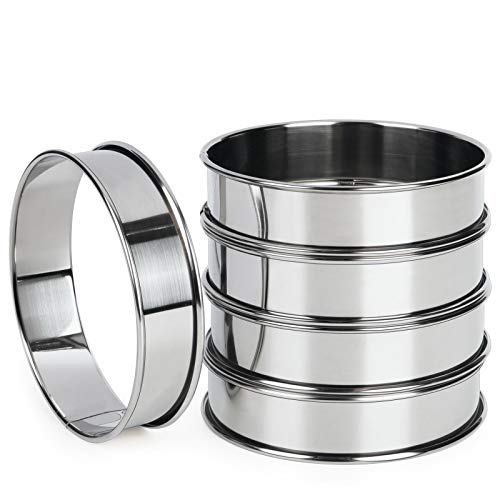
-89%
You keep
5 on Amazon vs 1 on AliExpress
FANGSUN 4 Inch English Muffin Ring, Crumpet & Cookie Ring Set, 5 Pack
Amazon
$9.99
You pay
$1.05
1 merchant carry it
See the proof →You already know what you want to buy. We find every merchant carrying that same product — usually dozens, often far more — and work out which one of them is genuinely the best value for your money.
Behind the answer sits the evidence: what real buyers say and show in their photos, how many units have actually sold, how long the merchant has been trusted, and what you pay per item rather than per pack.
EvryProduct aggregates and analyzes all of it, and returns one bottom line: where you should buy your product.
Largest saving among matches we rate 70%+ confidence.
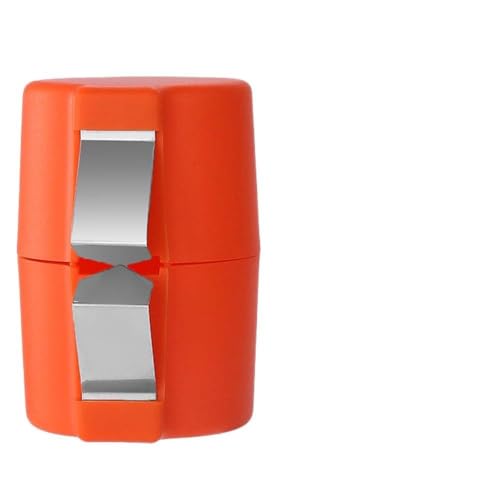


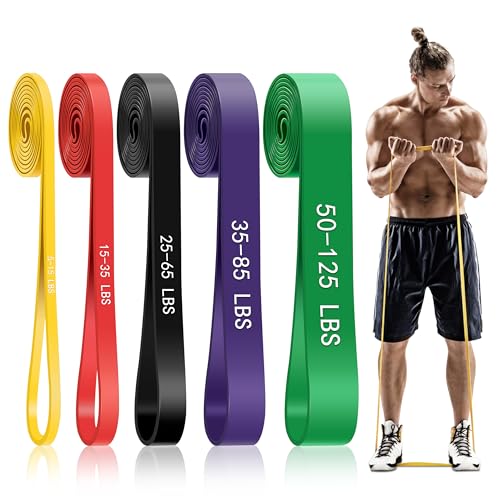
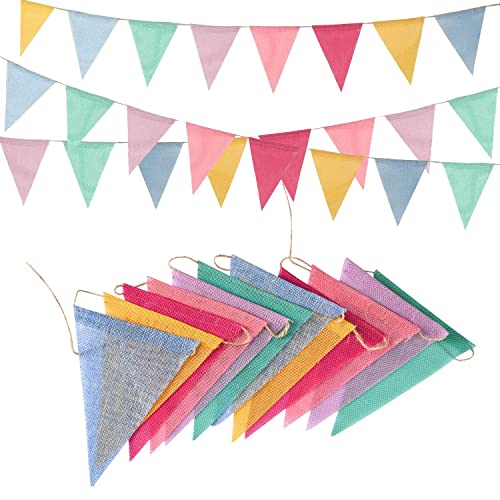
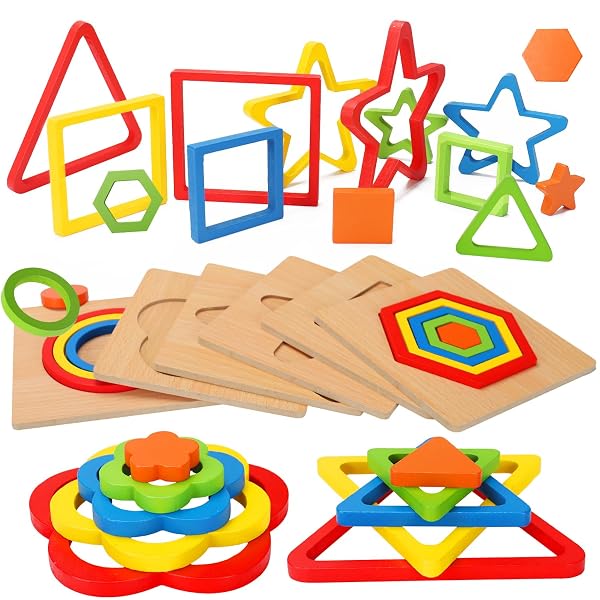

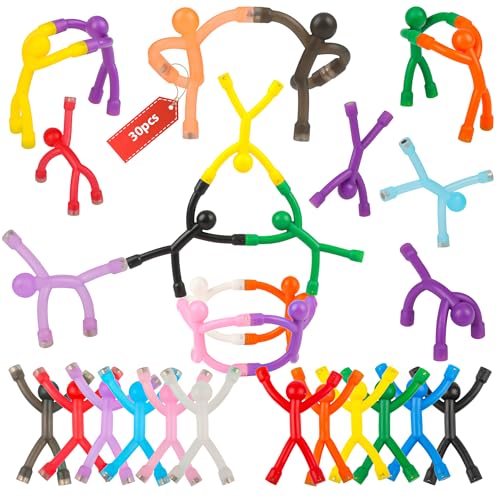
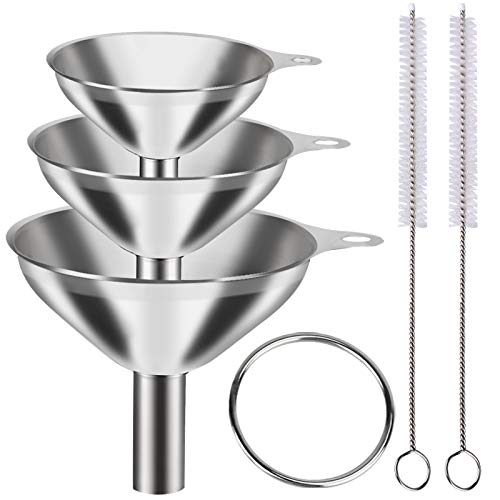
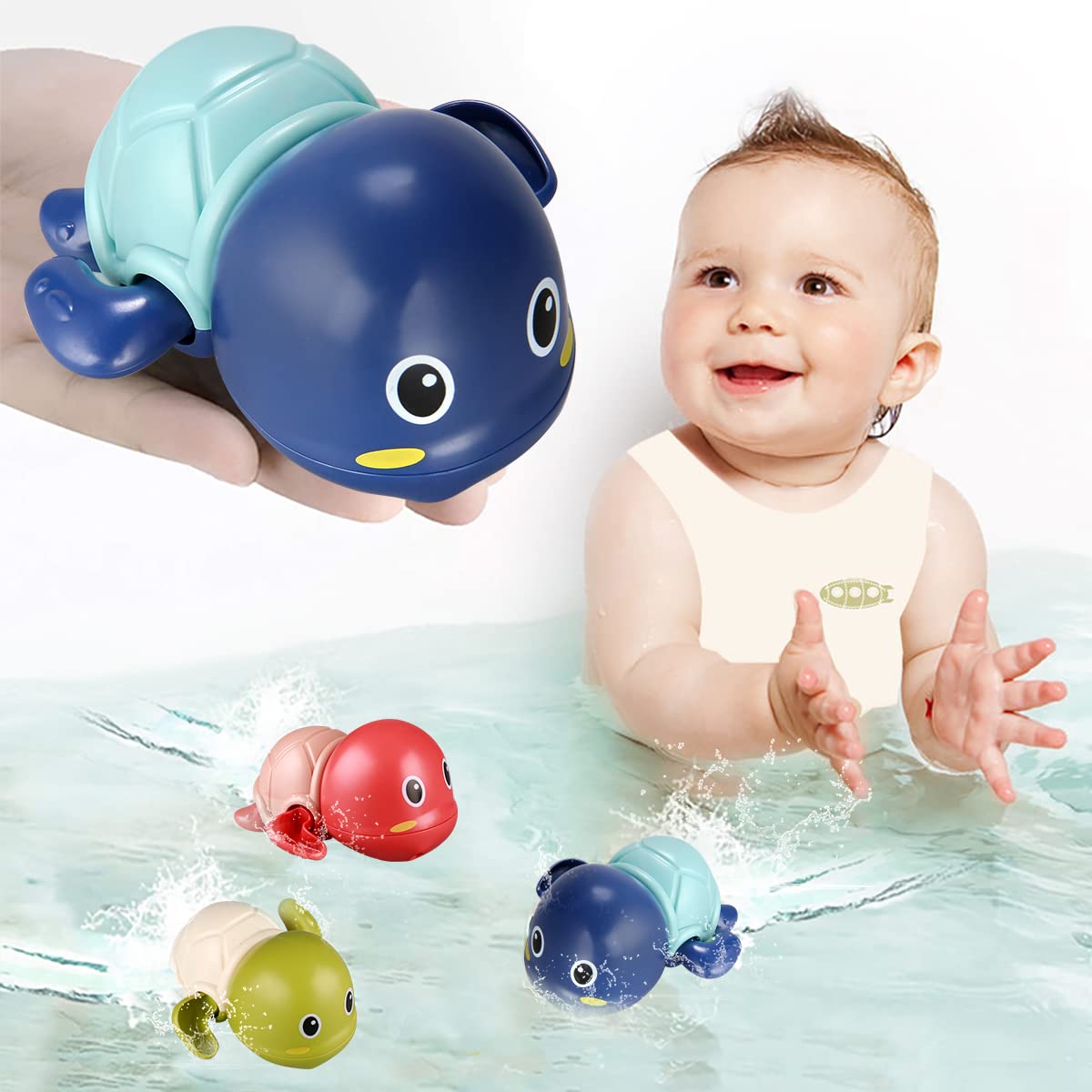
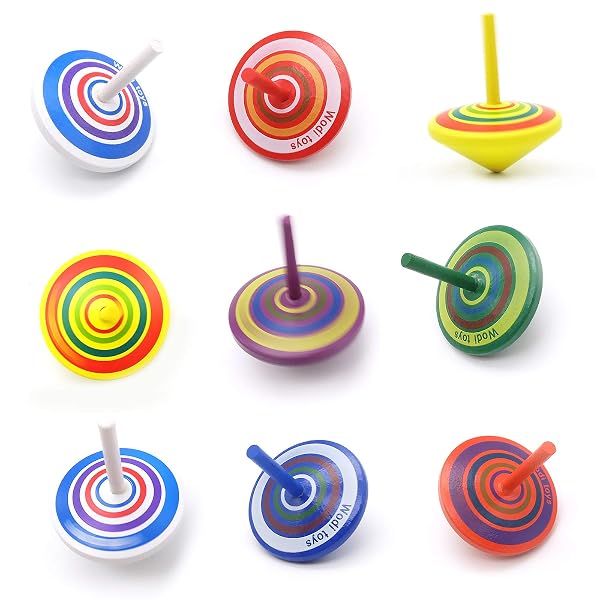
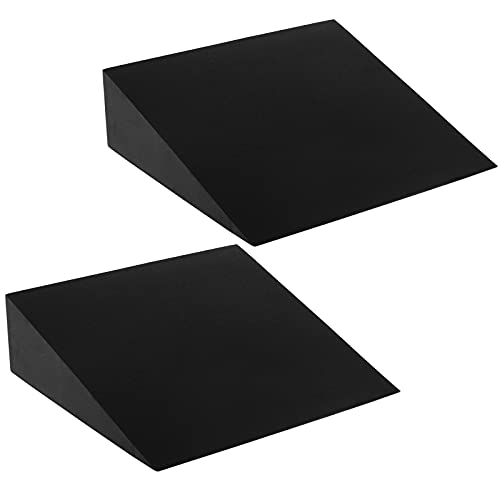
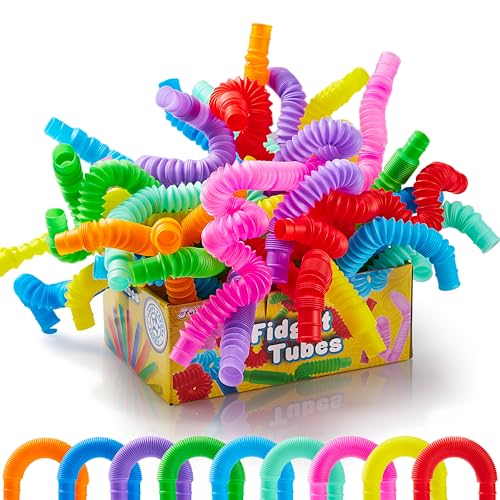

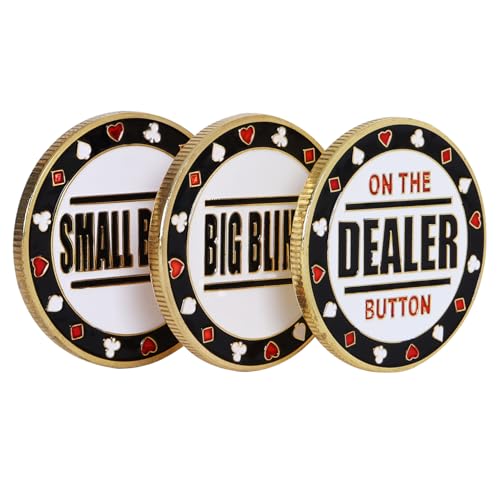

Where the visual match is strongest — same mould, same construction, a different logo on the box.

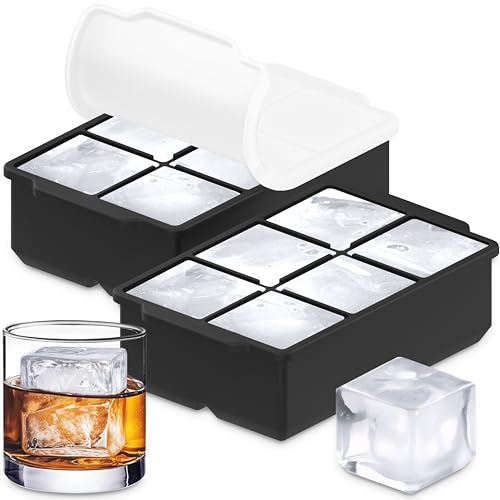
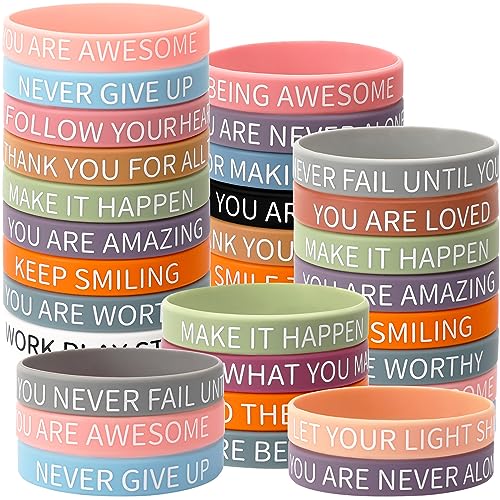
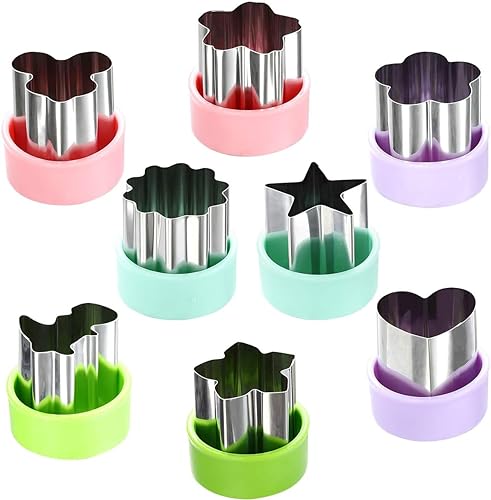
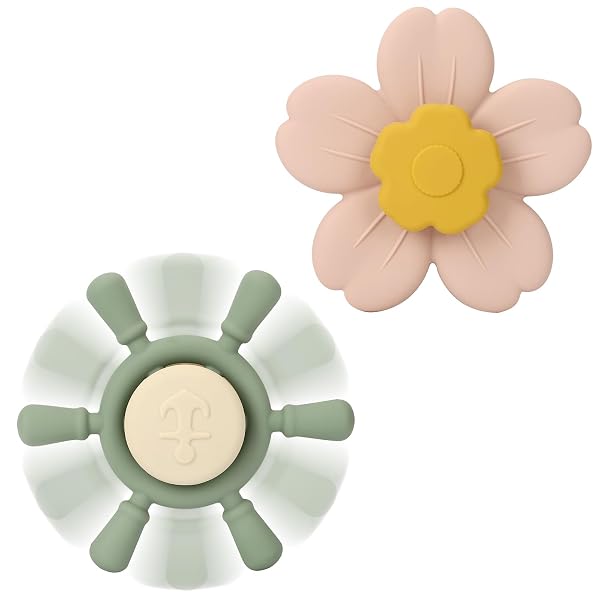
No single store is a chokepoint on these — several merchants carry the same unit, so a price is a market price rather than one merchant's.


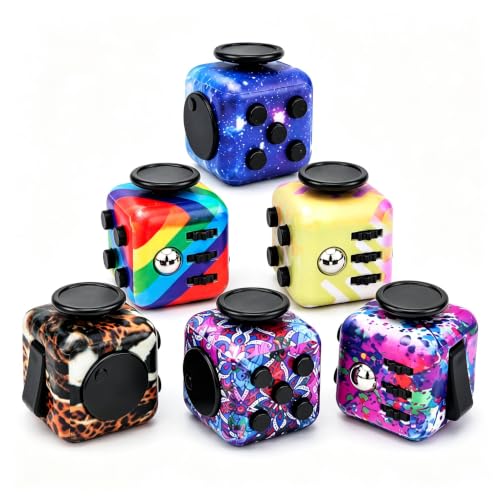
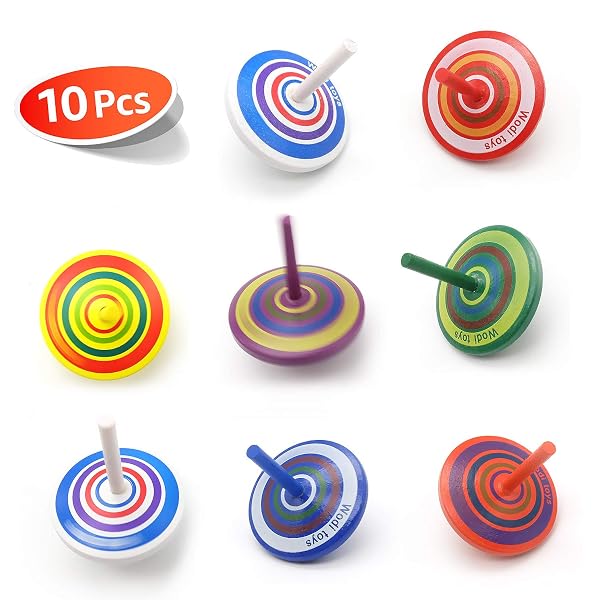

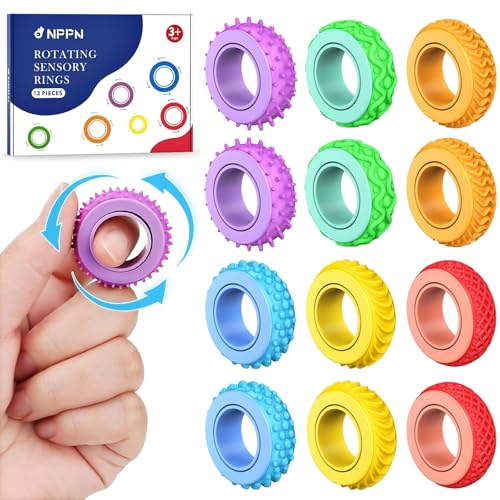
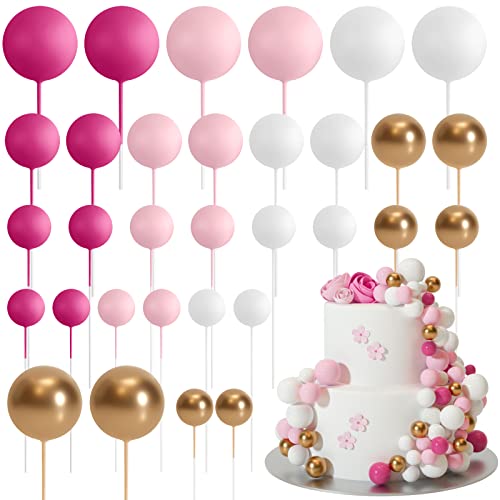
The latest products we matched and priced, in the order they were first verified.

Where the AliExpress price moved most between our last two checks, on matches we still rate a win.

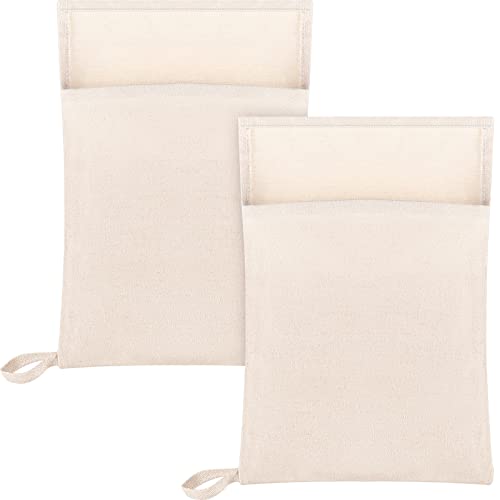
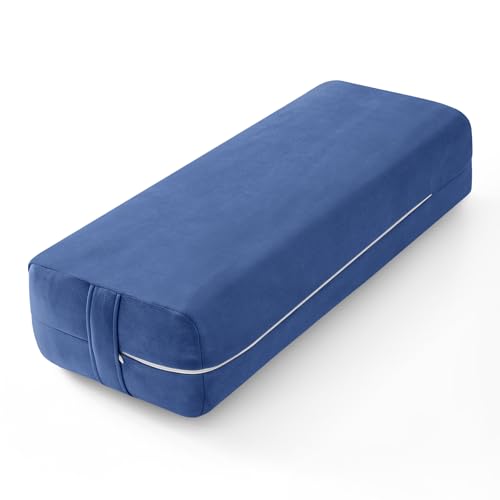

A 100% match exists at $9.32, and it still does not beat Amazon's $7.99 on the basis that matters. We publish the ones that lose too — it is the only way the others mean anything.
A name and a photograph are the two easiest things for a merchant to change, so neither settles a match on its own. We check what the object actually is.
Every product shot compared against every candidate's, by two independent visual models.
The candidate has to be the same kind of object, not only look like one — this is the check a matching photograph does not pass on its own.
We find every store carrying the unit, so you are not relying on one merchant.
Pack sizes are read on both sides, so what you compare is the price of one thing against the price of one thing.
On price freshness: every product is re-checked on a 14-day cycle, and each listing shows exactly when it was last verified. We'd rather tell you a price is 6 days old than pretend it's live — prices move, and a comparison you can't date is a comparison you can't trust.
A manufacturer builds a product once. What happens next is what decides the price you pay.
A single product, supplied to anyone who wants to put their own name on it.
Not one of them equal — on quality, on history, on service.
The same object listed side by side, each with its own audience.
Set by positioning and ad spend — never by what is in the box.
Where to buy it, and what it costs
Live today: Amazon and AliExpress. Next: Walmart and Temu — shown dashed above until we price them.
Not every brand is a rebrand. Plenty of companies genuinely design and engineer what they sell, and we say so when they do. The point is not that brands are worthless — it is that you deserve to know which is which, and what the same object costs from every merchant offering it.
A card appears only once the page behind it exists.
88 live comparisons · 58 lower-priced elsewhere · median -57%
Open →When we label a match Same item, yes — same mould, same internals, usually the same factory listing with a logo added. We show you the image comparison and the attribute table so you can judge for yourself rather than take our word for it.
You're paying for Amazon fulfilment, returns handling, brand marketing, FBA fees and roughly 15% referral commission. On a $40 accessory that's most of the price.
Two to four weeks of shipping, no Prime returns, warranty handled by the store rather than the brand, and more variance in quality control. We flag every product where the saving doesn't justify that.
We may earn a commission from the platforms we link to. It does not decide the verdict — the ranking is run on price, proof and match quality before any link is attached, which is why the site regularly tells you to stay where you are.
A manufacturer builds one product and sells it to anyone who wants to put their name on it, so a single mould can reach the market as six or sixty listings. The brands differ in packaging, support and price; the object inside the box does not. That is the whole reason a comparison like this is possible.
Because a sticker price and a per-unit price are different numbers, and the sticker price is the one that misleads. A six-pack of watch bands at $8.49 works out at $1.42 each, which beats a $2.57 single at source — so we compare per unit, every time, and tell you when the multipack wins.
Regularly, and we say so. Distinctive or licensed items, anything bulky enough for shipping to swallow the gap, and products where the well-known brand is running a genuine promotion all come out ahead on the mainstream platform. On the categories we have scored so far, roughly one product in 4 that we check ends with us telling you to stay where you are.
No — and this is the trap that catches automated comparisons. Merchants reuse manufacturer photography freely, so an identical image can sit above a different size, a different material or a different product type entirely. We check the specification and the product type before a match counts, which is why some visually perfect matches never appear on our pages.
Often the one you see first is, and we never use it. New-buyer coupons, flash pricing and currency-switched figures all inflate the apparent saving, so we take the regular price in US dollars from the merchant's own listing data. If the number we show is lower, it is lower for everyone, not only for a first-time account.
Usually a trading company rather than the factory, and often several of them listing the same unit at different prices. We surface how many merchants carry a product, how long each has been trading and what buyers report, because at source the merchant matters more than the brand name on the listing.